Insubordination
Ella Bloor was having a bad day in the food co-op kitchen. Breakfast burritos sold out early, so she had to make more, making her late in getting the co-op’s signature cookies into the oven. The shipping and receiving supervisor came up to her and said, “Go move the ice cream delivery into the walk-in freezer.” “No way,” said Ella. “I’ve got to make sure the cookies don’t burn. And our contract says I don’t have to do work outside of my department.” “I’m telling you to get over there and move that ice cream delivery,” yelled the supervisor. “If you don’t, you’ll be fired for insubordination!”
Sally, the department Steward, went into the manager’s office. “We have to talk about your supervisor Ralph. He’s out there threatening Ella if she doesn’t do work outside of her department.” Benito, the shift manager, said, “I’m the one who told him to get Ella off her butt and to move that delivery. I don’t have time to talk about this now–see me tomorrow.” “No way,” said Sally. “We’re going to talk about this now.” “Oh yeah?” snarled Benito, “Get out of my office or I’ll have you fired for insubordination also.”
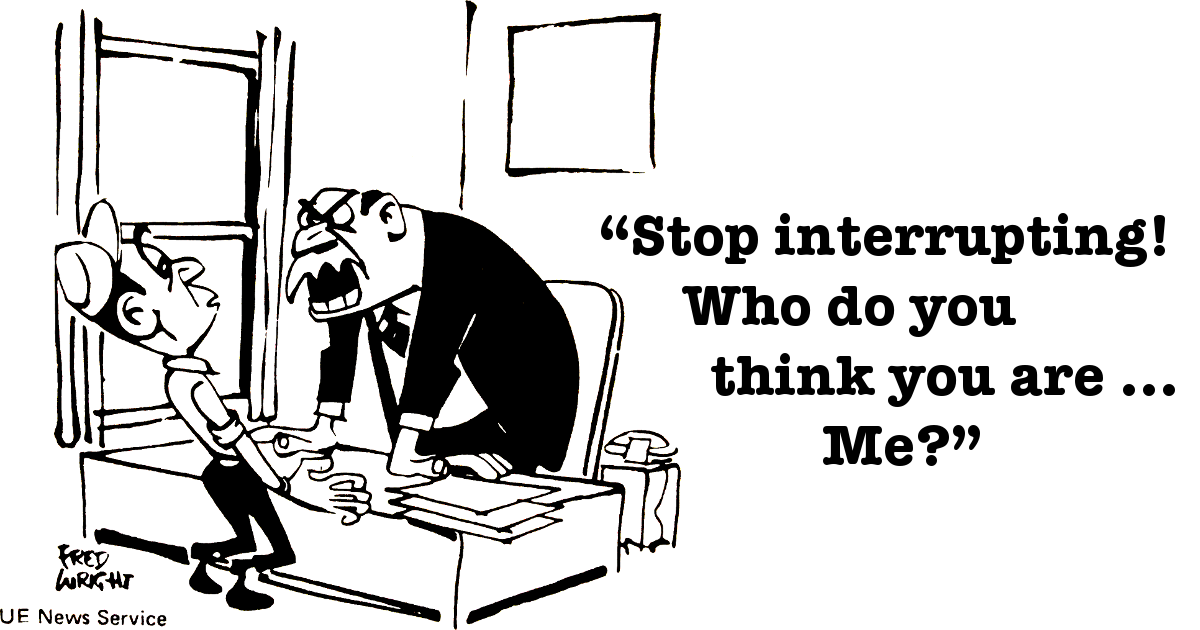
Management loves power. The ability to threaten workers with punishment for being insubordinate is a tool that many managers use to enforce their power.
For many union folks, the whole idea of workers being punished for being “insubordinate” to bosses is insulting and discriminatory. This is one topic where the class bias of labor law becomes clear. Management is considered better than workers and workers are considered inferior to management. It is degrading and openly biased against the working class, but we have to deal with it. More on this later.
What is Insubordination?
Here is how one management document describes insubordination:
Insubordination is a deliberate and inexcusable refusal to obey a reasonable order which relates to an employee’s job function.
Employees may not decide for themselves which instructions they will follow and which they will not.
This is how most arbitrators or the National Labor Relations Board (NLRB) would describe insubordination. BUT there are different levels of insubordination and the behavior of management often has an impact on whether the actions of an employee are considered insubordinate or not.
Guideline to Use When Investigating an Employer Charge of Insubordination
There are two basic tests for insubordination. (1) Was the worker given a clear direct order to do something? (2) Did the worker clearly know the consequences of refusing the direct order?
This usually means the management person giving the direct order must tell the worker what will happen if they refuse the order. This does not mean that the boss can immediately give a worker a direct order with the threat of punishment and not have to listen to the worker’s objections. Employees do have the right to question and argue about an order given by their boss.
It is not insubordination if a manager tells a worker to do something and the worker responds by asking questions or giving their reasons why they shouldn’t have to do what the boss wants.
It is not insubordination if the worker asks to have a Steward present to explain to management how the order given violates the union contract.
It is not insubordination if following the direct order will immediately put the worker or other workers’ lives in danger. The threat of physical harm, however, has to be real and immediate.
It is not usually insubordination if the management person giving the order is not the worker’s normal boss or part of the “chain of command” that the worker would normally have to follow. Rather than just refusing the order of the management person, the worker should insist upon finding his/her regular supervisor and having them make the decision as to what the worker should be doing.
It may become insubordination if the worker consistently refuses to do what the boss wants after being directly ordered to go perform the task.
It may be insubordination if the worker does not argue with management but never does what he/she has been ordered to do.
What should a worker do if following the order management gives will cause damage to a machine, produce a poor product or result in inferior services provided? The worker should clearly point out to management what the bad results of their order will be and ask for a witness to hear the warning the worker is giving management. If the worker does this then they generally cannot be disciplined for the resulting damage or inferior product/services.
If a worker is charged with insubordination, the Steward should perform an investigation of the situation surrounding the events. Sometimes workers who have been charged with insubordination because they talked back to managers have been cleared when the investigation revealed that a manager harassed them. However, in some of those cases they were still disciplined because they used profanity.
“Shop talk,” such as profanity or the use of salty language, is not automatically grounds for insubordination. Here again there are many factors involved. How much shop talk goes on, on a regular basis? Do managers use shop talk? Do managers and workers use shop talk when talking to each other? Even though there may be shop talk as part of the regular day-to-day life of the workplace, a worker may be charged with insubordination if he/she uses an excessive amount towards a supervisor after having been asked to do something.
In another example of class bias in dealing with insubordination, arbitrators look at whether or not the supposed insubordination takes place in front of other workers. Because they believe that the management person is the “master,” they tend to rule more harshly against workers if the “master” is ridiculed or disobeyed in front of other “servants.” In some cases arbitrators have ruled against workers when they bragged to other workers about what they called the boss in private.
Stewards and Insubordination
In relation to insubordination, Stewards have a special status. The NLRB has ruled that “when stewards are engaged in representational activities they are considered equals with management.” This means that when Stewards are dealing with management as a Steward (not as an individual), they can engage in robust disagreement with a boss. Stewards have a right to vigorously pursue an argument with management.
However, Stewards should take note of the General Motors NLRB ruling issued in July 2020. This new ruling “recognizes employers’ right to maintain order and respect.” It further says, “It is reasonable for employers to expect employees to engage all such [concerted activities] with a modicum of civility.” Until this ruling is overturned, Stewards should be cautious about using salty language in meetings with management.
What about Ella and Sally?
The situation with Ella is a classic case of a boss harassing a worker, but Ella needs to be careful since she was given a direct order and told what will happen to her if she refuses. On the other hand Ella has a right to argue her case and the boss clearly jumped the gun by threatening her right away.
Sally is in her right to stay in the boss’s office and continue arguing the case. She is in a grievance situation and therefore Benito cannot just dismiss her and refuse to discuss the situation. His threatening of her is also a violation of the NLRA, because a Steward cannot be threatened for doing her duty to represent workers. It is probably also a violation of the contract which says there will be no discrimination against the Union.
The Savvy Steward: “Obey Now — Grieve Later”
Here is another blatantly class-biased ruling that the National Labor Relations Board (NLRB) issued almost immediately after the passage of the National Labor Relations Act in 1936. There is nothing in the law nor in the debate in Congress that states that management is superior to labor and that management orders take preference over labor agreements. Nevertheless, that is what this rule, that we are all too familiar with, states.
Workers are expected to obey management, even if what management clearly wants to do is illegal under the contract, and then afterwards the workers can file a grievance.
How did this come about? The members of the NLRB looked to past legal precedent, rather than what the new law actually said, when they made this ruling. In their minds the master-servant relationship between bosses and workers was clearly established in this country.
The notion of insubordination calls us to look back at the horrendous specter of slavery and oppression. Here is what the Virginia law “An Act Concerning Servants and Slaves” said in 1705:
…all servants shall faithfully and obediently, all the whole time of their service, do all their masters or owners just and lawful commands. And if any servant shall resist the master, or mistress, or overseer, or offer violence to any of them, the said servant shall, for every such offence, be adjudged to serve his or her said master or owner, one whole year after the time, by indenture, custom, or former order of court, shall be expired.
The law provided this type of punishment, along with whipping, for servants who were poor English or Irish workers. African slaves who disobeyed their masters could be murdered and the masters were, by this law, absolved of all charges.
It was this type of “law” that helped establish how bosses are allowed to treat workers today. However, a strong steward system enforcing a good union contract is the way workers can win some measure of fair treatment in the workplace.
- The above article is used with permission and grateful appreciation from the United Electrical, Radio and Machine Workers of America (UE)
www.ueunion.org
Management Schemes – A Short History
At some point all union leaders are faced with a proposal or announcement from management that they will be implementing a “new system” at the workplace. This “system” might be one of any listed above or have a totally different name. Whenever and however this announcement comes, it means that the Union must put on its thinking cap and be ready to get the members involved.
What does management really want?

This is one of the key questions the union must figure out.
In the case of “for profit” employers it is always safest to assume that management wants to increase profits. There are many ways for them to do this, but it usually involves having workers work harder and producing more with fewer people.
In the case of “non-profit” employers it is safe to assume that they want to make themselves look better (and maybe get themselves a pay raise) by having fewer employees doing more work.
If the union starts with these basic assumptions, then it is easier to figure out the actual details of how these “new systems” will work.
In some rare cases the employer doesn’t want to implement these programs but is being forced to by larger customer. Some companies will insist that their suppliers all institute ISO 9000 (or ISO 14000 etc.) or have workplace teams. Part of the job of the union is to figure out if the boss really wants to implement these programs or are they just “window dressing” for their customers. Figuring out the answer to this question will help the union decide its strategy.
Two kinds of employer schemes
Many Different Names

- Kaizan
- Workout
- ISO9000, 14,000 etc.
- Direct Flow Technology
- Just in Time
- Cell Manufacturing
- Win-Win Bargaining
- Quality Circles
- Self Directed Workforce
- High Performance Workplace
- Worker Empowerment
- Six Sigma
- OSHA Exemption
- Statistical Process Control
- Team Concept
- Lean Manufacturing
One type strives to get the workers, with or without the union, to act in groups to help management improve productivity. These are sort of brainwashing sessions. They strive to get workers to think like a boss and to come up with ideas on how to cut other workers, speed-up production and ways to do more work. Quality Circles, Team Concept, Kaizan, fit into this category. These schemes also try to undermine the union by setting up non-union committees that will “make decisions for the workers.”
A second employer scheme is usually tied to changes in how production or the work is organized. This could be Cell Manufacturing, Just in Time, Direct Flow Technology, Pay for Knowledge etc. These changes can have a direct effect on parts of the contract. Seniority, layoff and recall procedures, pay grades, transfers, all can be affected. This also gives the union some power, because in most cases the employer cannot make changes to the contract without the union membership’s approval.
In non-profit workplaces this might take the form of setting limits on how long workers can talk to their clients, or setting standardized goals that must be met regardless of the individual situation. In one welfare office this “new system” meant workers could only talk to a client for 2 minutes on the phone, meet with them for 10 minutes, and no client could be kept waiting more then 11 minutes. They had to meet with 6 clients per hour.
Of course many of these employer schemes combine elements of both systems.
Where do these programs come from?
Most of these programs are based upon the work of Frederick Winslow Taylor, who is credited with developing “scientific management.”
Taylor started life as an apprentice machinist in 1874 at a small machine shop in Philadelphia. He then went to work in at the Midvale Steel Works in PA. He became a pattern maker, then leadman, foreman and a then an engineer. In his role as an engineer for Midvale Steel and then for Bethlehem Steel Co., he developed his system of workplace engineering that he called “scientific management.” To most workers his system became known as “Taylorism.” In 1895 he presented his first paper to the American Society of Engineers called “A Piece Rate System.” This was followed with “Shop Management” in 1903 and “The Principles of Scientific Management” in 1911.
His studies and theories in various forms became the guiding light for the development of manufacturing in the United States and continue to influence much of managements’ philosophy.
Taylor’s philosophy and system rested on several ideas:
- If workers had unions that was OK, but the unions and workers had to be convinced that their goals and management’s goals were the same; a successful company meant successful workers. He said that union members that felt the boss was their enemy were misguided. Taylor felt that increasing production would lead to more, not fewer workers.
- Workers naturally work slower than they are capable of working, some because they are lazy and most because they believe this will save jobs.
“When the same workman returns to work on the following day, instead of using every effort to turn out the largest possible amount of work, in a majority of the cases this man deliberately plans to do as little as he safely can-to turn out far less work than he is well able to do-in many instances to do not more than one-third to one-half of a proper days work.
- Management could & must “scientifically” study work in order to determine what workers actually could produce, in order to make them produce the maximum amount. Taylor time-studied and compiled statistics on thousands of workers movements thus beginning “pre-determined time study.” By breaking a worker’s every motion down into basic elements, Taylor could figure out how much a worker could actually produce.
- Management, i.e. engineers, must learn and plan jobs, not the workers. As a skilled machinist Taylor knew that the workers knew more than management. He said that management must take back this knowledge.
“The managers assume for instance, the burden of gathering together all of the traditional knowledge which in the past has been possessed by the workmen and then of classifying, tabulating, and reducing this knowledge to rules, laws, and formulae which are immensely helpful to the workmen in doing their daily work.”
- Incentive and piecework systems were needed in order to get workers to stop “soldiering” and produce to the maximum potential. Taylor recommended a 30 percent bonus for most jobs but up to a hundred per cent bonus for very skilled or very demanding jobs. Taylor, anticipating what he knew would happen, said management was foolish if they cut piece rates after workers began producing more, but we all know that is what management always does.
The basics of Taylorism remain intact today, even in all the so-called new labor-management cooperation programs, worker empowerment programs, cell manufacturing etc.
- Take away the workers’ independent knowledge of production. This is done with computer controlled machines, statistical process control (SPC) programs, and regular time studies. As much as some bosses talk about “empowering workers to make decisions” it is always done in the context of management knowing and planning exactly how production is to be done.
- Convincing workers that their interests are the same as the bosses. Team concept, quality circles are just modern variations of what Taylor said was needed.
Incentive systems to make workers produce to the maximum have been replaced in many places by the “incentive” of work hard or we will move the business overseas.
They Promise us the World
Many of these employer schemes promise the world, but in a very vague way. Do they really mean that workers will finally be listened to? Will the workers actually run the workplace? Will quality really be improved and will junk never again be shipped out? Will job security be really guaranteed? Or will these new systems usher in more layoffs, speed-up, job cuts, and job de-skilling?
- The above article is used with permission and grateful appreciation from the United Electrical, Radio and Machine Workers of America (UE)
www.ueunion.org

Memorandums of Understanding Added To 304 Resources
All current MOUs are now posted under the 304 Resources tab as per the request of the membership. Consult your Steward if you have any questions.
UWUA Local 304 Family Picnic 2019
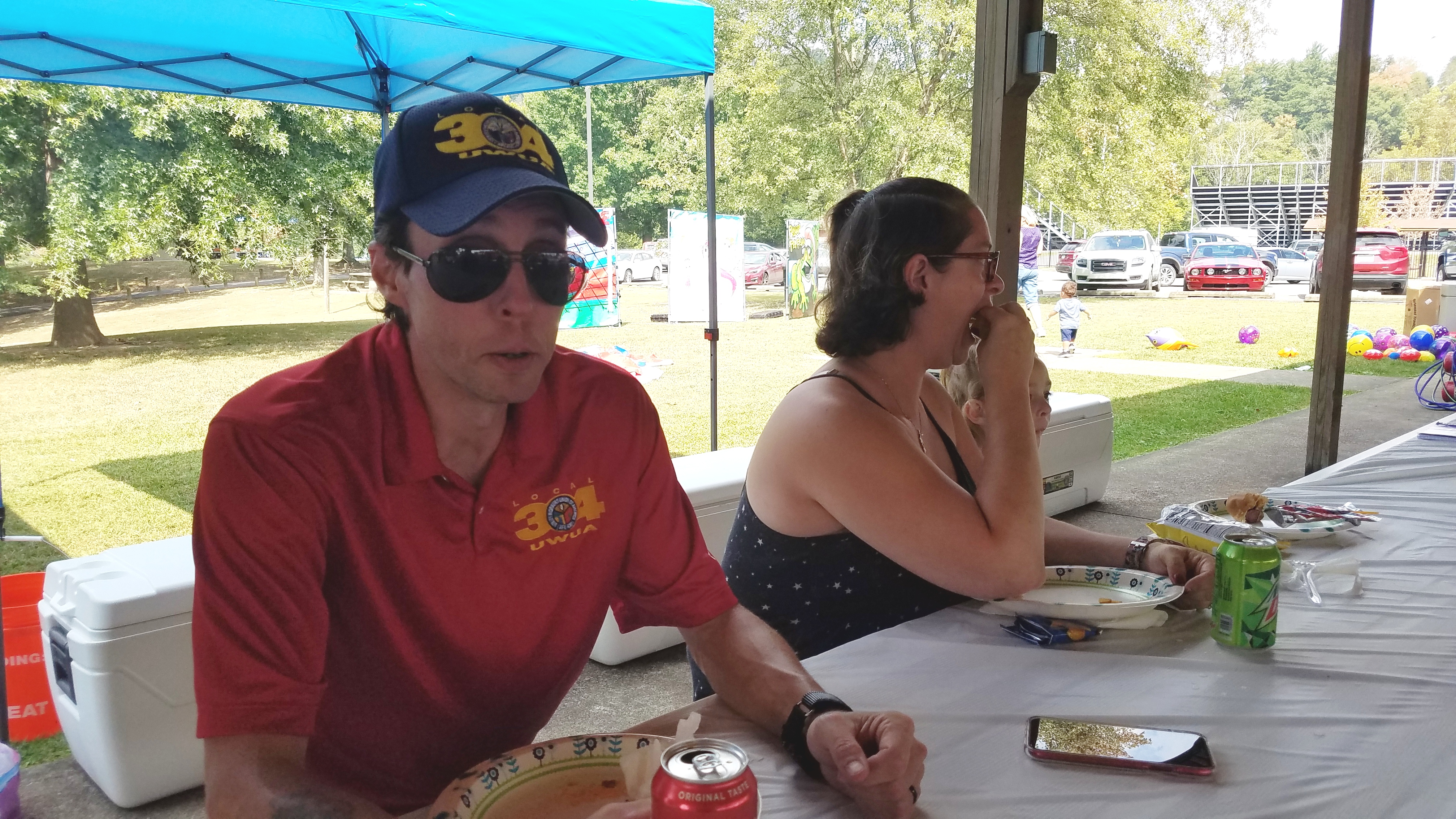
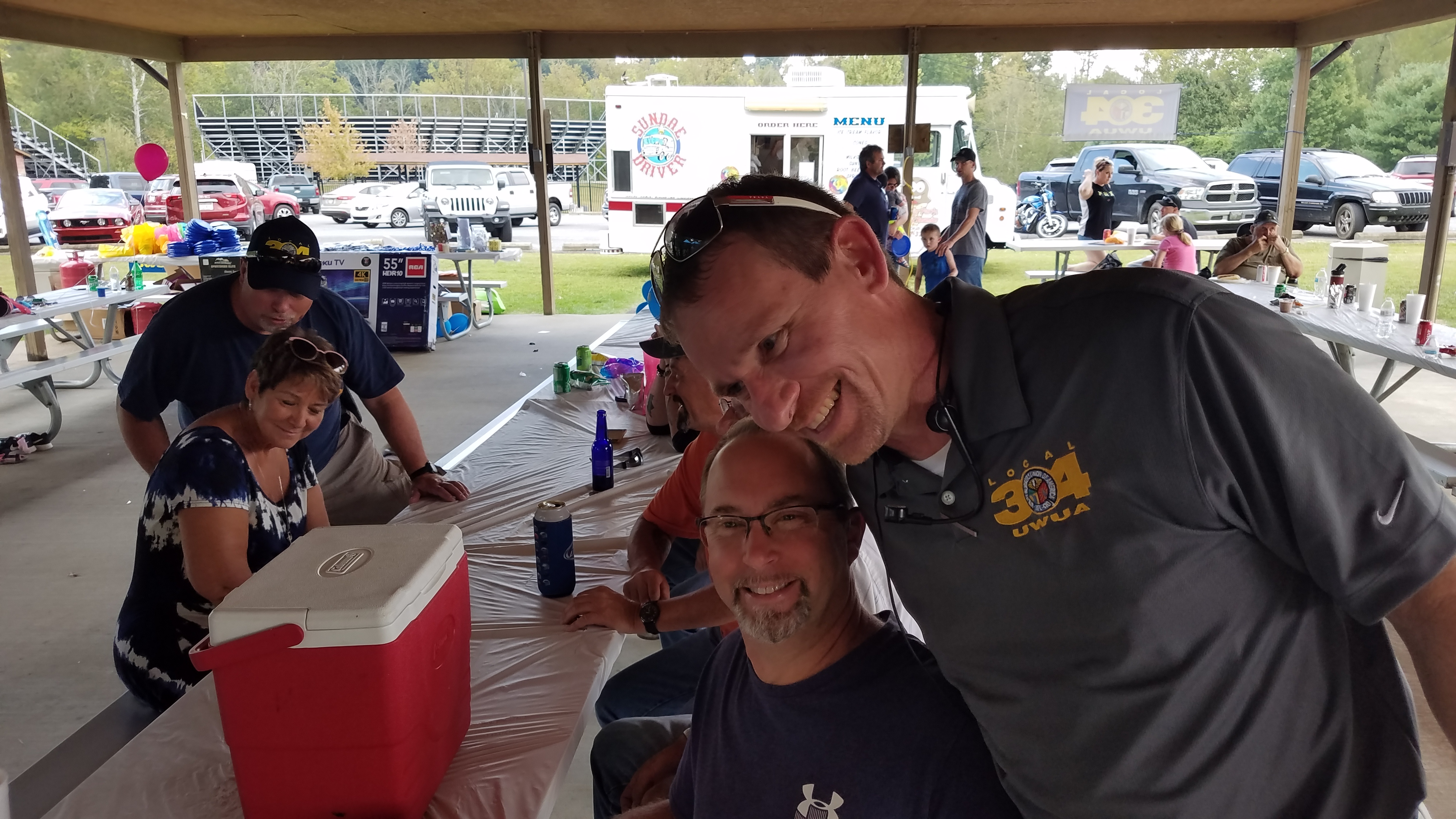 What a wonderful turnout for yesterdays 2nd Annual 304 picnic. I know forces beyond our control prevented some from coming, however, good fellowship was had by all that were in attendance.
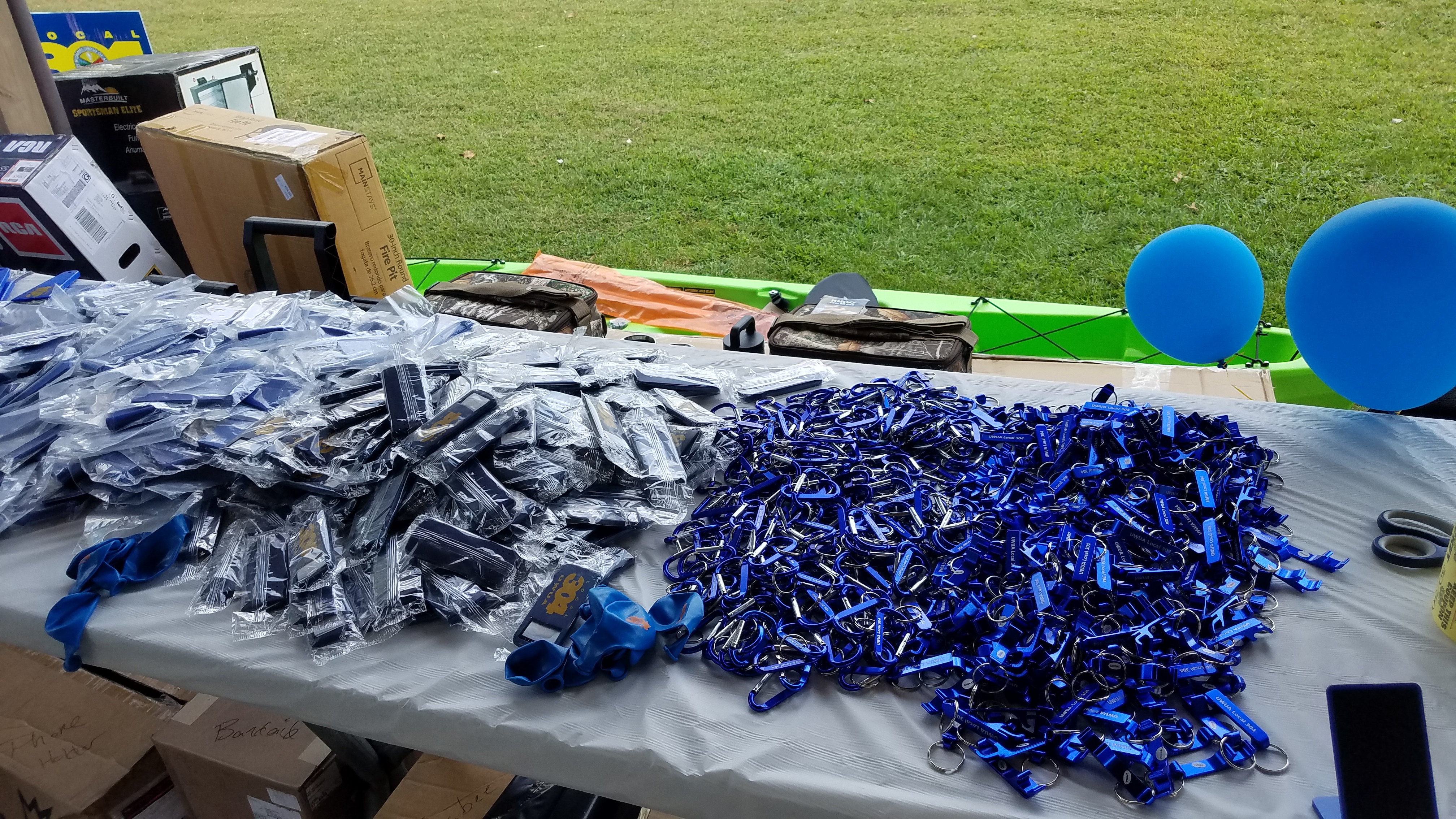
Below is a list of prizes that were drawn for. All dues paying members were eligible for prizes regardless of your attendance to the picnic. 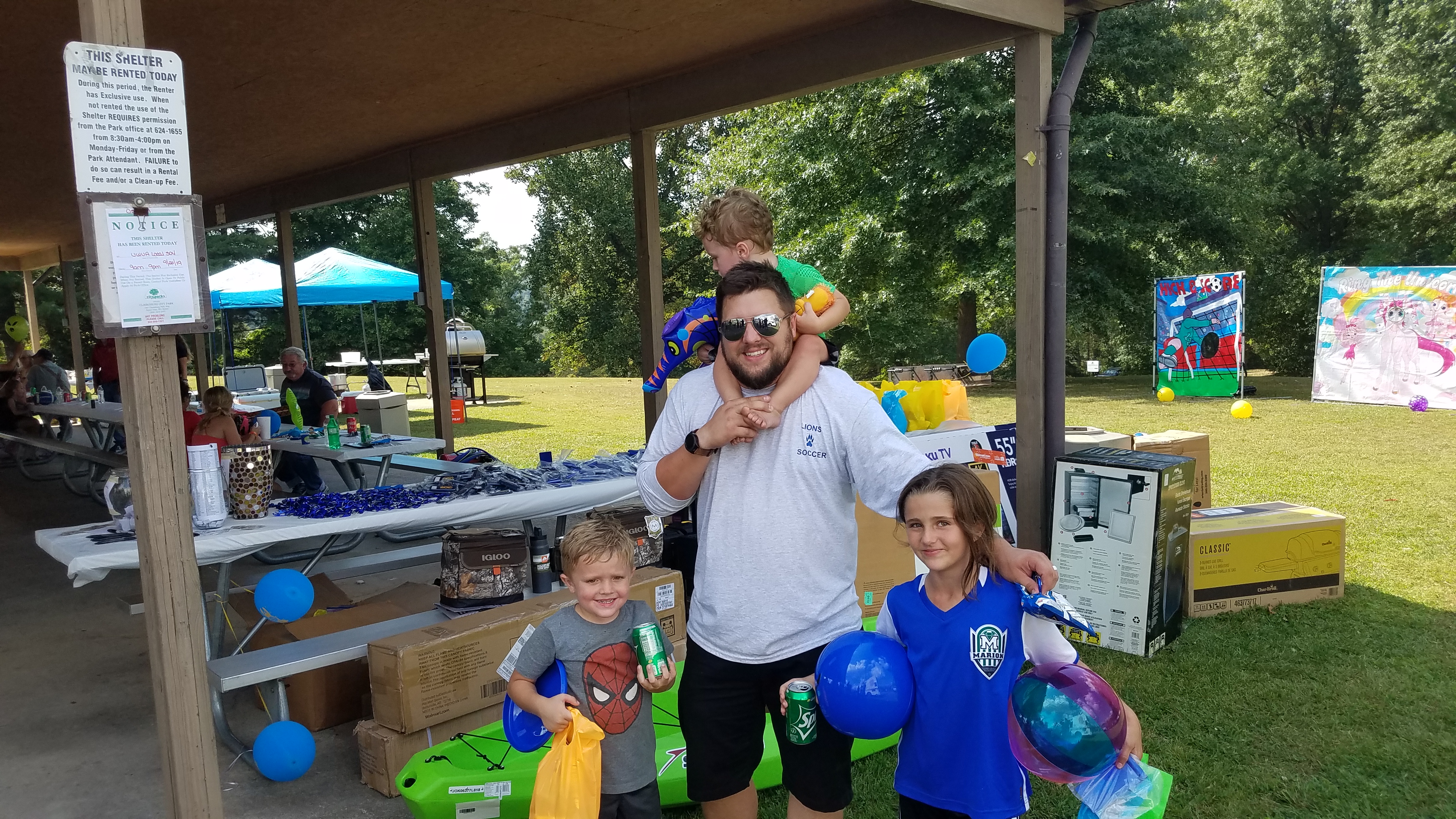
I’d like to personally thank the committee who selflessly contributed MANY of their own personal hours and time to make sure this picnic was one to be remembered. So thank you Jessica Pierce for taking care of the gifts, Carl Cooper for the food and cooking, Bob Cain for the publication, retiree notification, and pictures. Chris Scheuvront for the bounce houses and cooking, Tom Cunningham for planning, set up and cleanup.
 We also held a 50/50 raffle that collected $256.00. The winner of that raffle was Louis Rodina, son of Paul Rodina. Half went to the winner with the other half going to a charity of the winners choice. Louis chose to donate his half of the winnings along with our half to the Lord’s Pantry in Shinnston. I’d like to publicly thank this young man for his kind and generous donation.
Lastly, I’d like to thank those who assisted the day of the picnic. Kathy Cooper cooked Friday with Carl in preparation and was there to setup and just take care of anything we needed. Tom Cunningham and his boys for their assistance ALL day not only with setup but I’m certain he was the last to leave, Jessica Pierce for coordination of all the prizes for the kids and adults, also with setup and cleanup, Chris Scheuvront for his help setting up, cooking, and cleanup. Carl Cooper for his assistance setting up, cooking, and cleanup. Eugene and Connie Baker for help cleaning up, Dave and Tonya Price for help cleaning up, and Paul Rodina for his help cleaning up and unloading items back at the storage unit. I guess my biggest thank you goes to the families of our committee members as you had to hear about and deal with this picnic planning for the past 3 months.
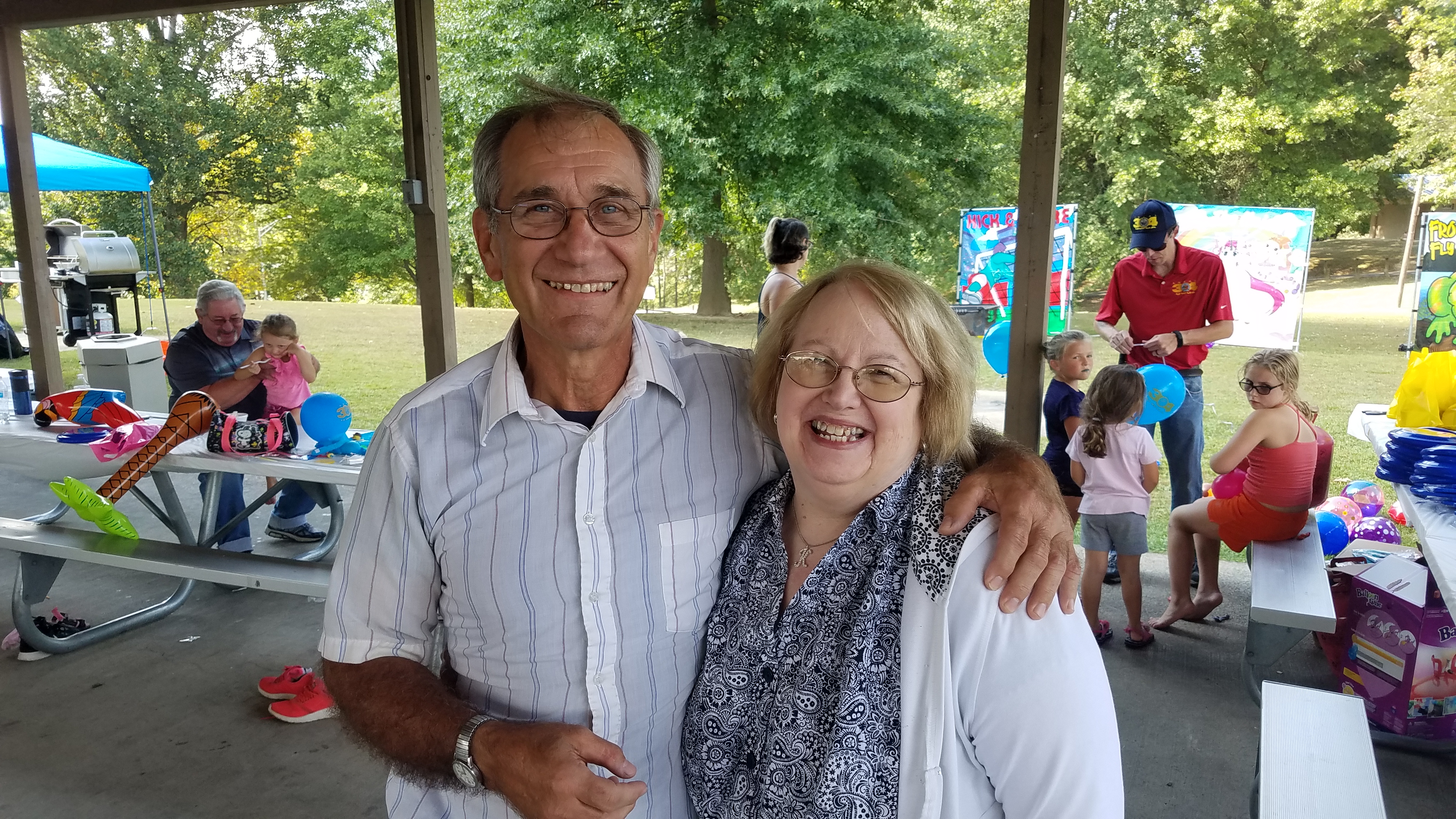 Thank you to all that attended. If you liked this year’s picnic, please let one of the members know. If you’d like to see something different next year, let one of us know. If your name is on the prize list, contact either Tom Cunningham or myself and make arrangements to pick up your prize. Prizes not claimed or stored until next years picnic will automatically be entered into next year’s prize give away.
Stewart Whitehair- UWUA Local 304 Vice President
 Prize List
Lunch Box: B.J. Rogers
Lunch Box: Jeff Montgomery
Water Bottle: Levi Price
Black Coffee Cup: Brett Morrison
Silver Coffee Cup: Glenn Langdon
Stanley Tool Box: Donnie “Bush” Wolfe
Stanley Tool Box: Brent Blake
Hammock: Tod Ritz
10X10 Pop Up Canopy: Brett Leary
Fire Pit: Jeff Cunningham
Char Grill Gas Grill: Lloyd Spry
Electric Smoker: Scott Starkey
Kayak: Matt Barnes
55″ Flat Screen TV: Drew Friend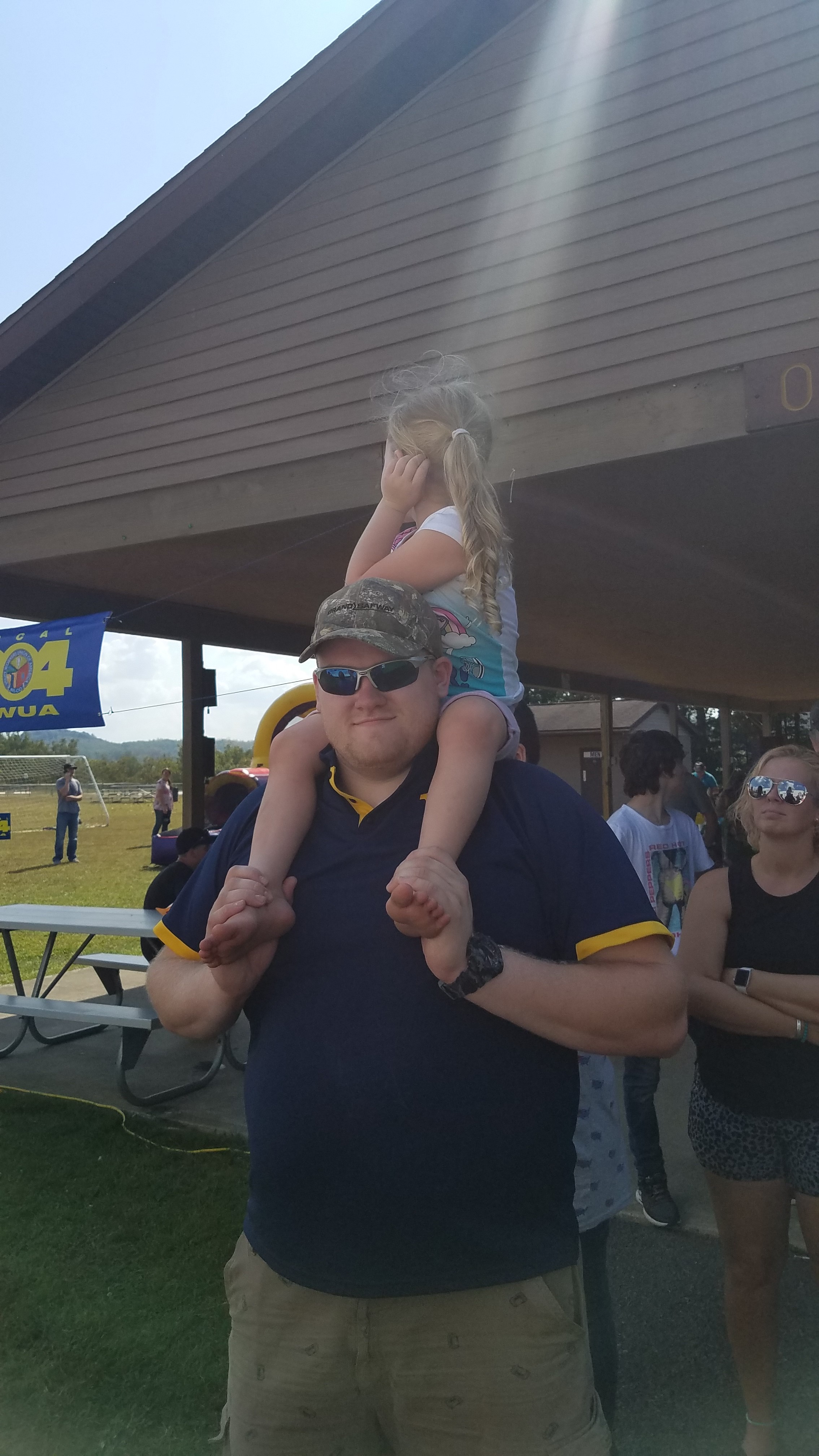
55″ Flat Screen TV: Marcus Young
Cornhole Boards: Abby Rucker
Cornhole Boards: Gabe Avilies
Cornhole Boards: Loretta McCray
$100 Lowes Gift Card: Scott Hamilton
$50 Cabela’s Gift Card: Steve Knight
$50 Cabela’s Gift Card: Louis Rodina
$50 Red Lobster Gift Card: Bob Heck
$50 Outback Gift Card: Burt Corley
$50 Amazon Gift Card: Dave Cheuvront
$25 Lowes Gift Card: Shiela Cain

$25 Home Depot Gift Card: Nikki LaVelle
$25 Bass Pro Shop Gift Card: Josh Dingess
$25 Advance Auto Parts Gift Card: Erik Davis
$25 BP Gas Card: Janice Pratt
$25 Texas Roadhouse Gift Card: Kristin Cunningham
$25 Subway Gift Card: Tom Hamilton
$25 I-Hop Gift Card: Michelle Fleming
$500 ATR Gift Card: Chris Scheuvront
$500 ATR Gift Card: Matt Clark
Kids Parachute game: Caden Weaver
Kids Dream Tent: Jace Weaver
Kids Slime Kit: Ashlyn Cunningham
Paw Patrol Cornhole Boards: Tyler Barkley
Disney Princess Cornhole Boards: Paige Whitehair



Contracting Out: Understanding The Impacts
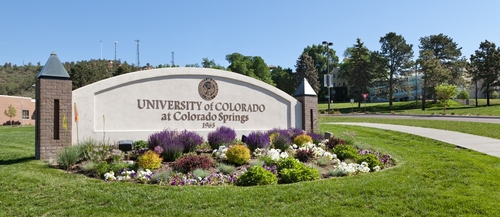
*Daphne T. Greenwood, Ph. D. is professor of economics and director of the Colorado Center for
Policy Studies at the University of Colorado Colorado Springs. In addition to serving in the Colorado
House of Representatives from 1990‐1994, she has been a visiting scholar at the U. S. Treasury
Department and the Institute for Research on Poverty, University of Wisconsin‐Madison, Honors
Professor at the U. S. Naval Academy and a corporate economist with Esmark, Inc. Dr. Greenwood
authored a recent award winning book on local economic development in the United States and has
published widely in the public policy arena.
She authored a study for the Colorado Center forPolicy Studies, adjunct to the University of Colorado at Colorado Springs, entitled: “The Decision To Contract out: Undestanding The Full Economic and Social Impacts.” (click for full article)
*Her Key Findings include:
Outsourcing to private corporations undermines principles fundamental to our democratic system by creating conditions such as:
Reduced accountability, transparency, and clarity about who’s in charge
Frequent conflicts of interest and nepotism and fewer whistleblower protections
Removing control of key public decisions from citizens and their elected officials
Contracting can involve substantially lower wages and benefits for local workers providing services, siphoning dollars away from local economies. Workers making less will spend less in their own communities. That leads to many direct and indirect economic and social impacts including:
Declining retail sales and potential impacts on the housing market
Higher wage gaps between men and women, and between blacks and whites
More workers forced to rely on public assistance
Fewer middle class jobs and wages for everyone
Reduced ladders of opportunity for workers at the bottom
Perpetuating low incomes for more female‐headed households
A larger share of “at risk” children in lower‐income families
Weakened viability of pension systems for remaining public workers
Private corporations’ profit imperative does not always lead to efficiency or quality
Cuts to workers’ wages and benefits deliver short‐term profits to shareholders but . . .
Reduced staffing levels and lower pay often lead to higher turnover, lower quality of services,
and potential health and safety issues
Problems with the quality of services provided to citizens cited in 61% of contracts terminated
Outsourcing and contracting are not really “privatization”
Responsibility for determining how public tax dollars are spent still lies with public officials
Public services are funded by public dollars regardless of who provides them, but ..
Local tax dollars now go to corporate profits, administrative costs and taxes in other jurisdictions
Cost savings of outsourcing vary widely and often diminish over time
Average costs may be lower initially (studies show an average of 5‐10%) but often shrink over
time because of reduced competition and other factors
Governments cited insufficient savings 52% of the time when ending private contracts
Cost savings are often achieved at the expense of reduced wages and benefits for workers
UNLESS THERE IS REAL INNOVATION THAT LEADS TO GREATER EFFICIENCY OR HIGHER QUALITY
COMMUNITIES WILL SEE A NET NEGATIVE EFFECT ON THE WIDER SOCIAL AND ECONOMIC LEVEL
Click on any of the links above to read more of this facinating study.
*used with grateful appreciation from the author, Dr. Daphne T. Greenwood.

Utility Workers Getting Younger
With one of the oldest demographics in any industry, power generation and electrical transmission workers are finally turning the corner to bring in younger workers to become the next generation of power plant operators and transmission and distribution lines technicians.
The Utility Workers Union of America established Power 4 America as an educational trust to train new employees to take their place among one of this country’s most professional and well trained groups of workers in the United States.
Consumers Energy has just reached a historic agreement with the UWUA to take over the training on all their employees. It’s a case of people who already work in the industry taking the responsibility of passing on their knowledge and experience to keep America’s electrical infrastructure safe and reliable.
P4A doesn’t only focus on existing technologies, but is also training those power industry students about evolving and future “Green” technologies, responding to the trends that affect the America’s energy mix.
Another route utility companies are using to augment their dwindling workforces is cooperative partnerships they have formed with local colleges, like the PSI Program (or Power Plant Technology) available at Fairmont State College’s Pierpont Technical Institute (click for a full description, course outline, and cost).
According to a recent article in The State Journal, PSI graduates are finding work in the industry (click link to read). UWUA Local 304 can attest to this by the graduates that have joined us at Harrison Power Station. These new employees an important and welcomed addition to our plant, and our union.
It’s incumbent of every 304 member to help these employees in any way possible as they learn the equipment and the job of running a power plant. It’s equally important that we pass on the legacy of labor and explain their part in the struggle to keep wages, benefits, and working conditions that respects and acknowledges the talent all Utility Workers bring too the industry.
UWUA Local 304 welcomes our newest employees to Harrison! Now, let’s get to work!
Working Without Prosperity
Anyone who works deserves to have some small amount of success, even if that success only consists of the feeling one gets from being a self-supporting and contributing member of society.
West Virginians are in a special circumstance when it comes to work and prosperity. After decades of labor strife, a few coal miners did see a brief period of prosperity from their labor, but with the shrinkage of unionization and the influence of the UMWA, even that small window seems to be closing.
Before the industrial revolution and the discovery of our rich coal reserves, West Virginians were mainly farmers, trappers, and hunters. As our country moved deeper into industrialization, those who would seek to exploit our rich coal supply for their own greed moved into our state. They cheated landowners, bought political influence, and set up shop at the head of many hollows to establish mines and start hauling out West Virginia coal.
 West Virginians themselves have not benefited nearly as much as those absentee landlords who owned and operated the mines they worked in. As a matter of fact, West Virginia continues to be one of the poorest states in the nation, an odd happenstance that is in contrast to our rich energy and timber reserves. What workers of this state have reaped are pollution, destruction, and death.
On December 06, 1907, the Fairmont Coal Company mine in Monongha blew up, creating the worse mine disaster on record in the United States before or since. Official numbers set the count at 361 dead, but this was an era of child labor and the flood of immigrants who worked, undocumented, beside family members who were paid by the short ton for all the coal they loaded each shift. Many old timers claim that the count was far higher, possibly as many as 600, when taking these factors into account.
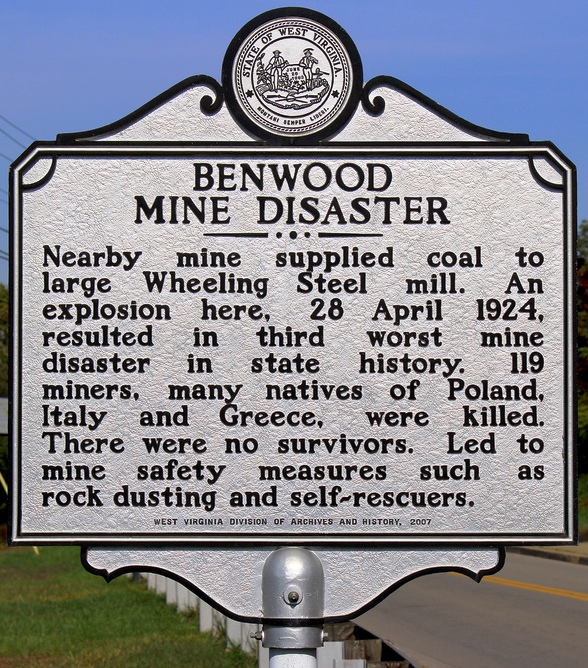 Then there is the 38 miners lost in the Boissevain Mine explosion in 1932, or the Consol #9 mine explosion in Farmington in 1968 that claimed 78 miners(the third such explosion in the mine formerly known as Jamison #9), or Holden, Nellis, Robinson-Ferrell, or Eccles #5 and #6, or the Clinchfield Coal Company’s Compass Mine at Dola, just up Route 20 from Lumberport that killed 22 men. Sago and Upper Big Branch are names of West Virginia mines added to the list of disasters visited upon the people of our state and that have become synonymous with tragedy and loss.
Lest anyone thinking that the plight of West Virginia workers lie only in the dark coal mines of our state, there is also the collapse of a scaffold in a  cooling tower, known as the Willow Island disaster, that killed 51 workers in 1978.
In fact, the worst industrial “accident” that ever occurred had nothing to do with coal mining, but happened in the New River Gorge area of West Virginia. This was the Hawks Nest Tunnel tragedy. This project of Union Carbide sought to divert the New River for power production to feed the plant in Alloy, West Virginia. Began at the height of The Great Depression, workers dug the 3 mile tunnel in record time, completing it 10 weeks ahead of schedule. The workers, desperate for gainful employment, either  did not know or understand that they were digging through Silica, a substance that causes silicosis in the lungs and is very damaging and even fatal. Many people have stated that it is impossible to quantify what a workers life is worth, but after years of lawsuits against the tunnel’s contractor, the settlement ranged from $400.00 for an unmarried black man to a $1000.00 for a married white man. In typical West Virginia fashion, the offending company settled $4 Million dollars in lawsuits for a paltry $130,000 dollars. Half of that settlement was claimed by the attorneys representing clients, who also recieved an added secret sum of $20K in the settlement insuring against any further lawsuits, and, on
  the demand of the defendants, turned over all plaintiff files to them. In total it has been claimed that almost 500 workers died from exposure to silica dust. This number cannot be certified since tuberculosis was rampant throughout the country at the time and many may have died and been classified as victims of TB. What is known that death by overexposure to silica is a painful and miserable way to die, with one family member claiming that an affected relative actually kicked the bed they were dying in to pieces when in the throes of a fit of spasmodic coughing and gasping for air.
Families of West Virginia workers also suffered indirectly, through the loss of the  bread winner and patriarch of the family, but also suffered directly from those who came to our state to rape the land, reap the resouces, and then leave like thieves in the night. Each incident described above represents grieving widows, orphaned children, heartbroken parents, and all the social and economic woes such conditions cause.
Earthen dams had been simple and easy contructs for coal companies to capture coal wastes. That was until the Buffalo Creek Disaster in 1972. Pittston Coal had a dam at the head of a hollow on Buffalo Creek, WV. In a torrent of several days of  rain, the dam became sodden and soft. On the morning of February 26th, the dam burst. Many residents were still asleep when a wall of muddy coal waste laid waste to everything in it’s path An estimated 132 million gallons of water came roaring down the valley, killing 125 men, women, and children. 1,100 people were injured and 4,000 homes were destroyed. An emergency shelter was set up at the Man High School and survivors combed the wreckage looking for loved ones and lost possessions.
Pittston later claimed the disaster to be an, “act of God”.
 An elderly female resident replied, “I never saw God drive the first slate truck up the holler.”
Again, in actions so typical of our state, one of the last acts of departing West Virginia Governor Arch Moore was a settlement of the multi-million dollar lawsuits against Pittston for the insulting sum of $1 million dollars.
Stories of the children who survived the disaster recall how anxious and nervous they would get everytime it rained.
 Why is all this worth recounting?
It’s because this is a history of labor in West Virginia. Despite the Mine Wars which shed some light on workers issues. West Virginians have, by and large, been poorly represented by local, state, and federal leaders, and exploited by ruthless corporations. It has been West Virginia workers blood that have purchased many of the country’s safety and health reforms, and it is those reforms that are under attack that we have to continue to fight for everyday.
The UMWA is one of the few unions to have any real success in this area. Those intrepid organizers for the UMWA braved the remote and rugged geography, faced down hired gun thugs, and brought a little social justice to exploited and abused workers in this state.
Another union that helped open the door for West Virginia workers is the Railroad Workers United, who represent railroad workers across North America, and fight the same issues as the rest of us.
It is this lack of representation that should inspire every worker in West Virginia to seek out a union of their choice and actively pursue joining. Unions are the purest forms of democracy in our country because they are ran by the workers, not politicians or absentee corporations. They are also an important source of vital information on issues affecting the industries they represent, giving workers information that is hard, if not impossible, to find anywhere else.
Unions that are organized and active act as checks and balances for people who work for a living and seem to be the ones largely ignored when political parties develop grand platforms promising prosperity and reform, but deliver more of the same year after year. Healthy and active unions hold these people to account for promises made in the heat of campaigns.
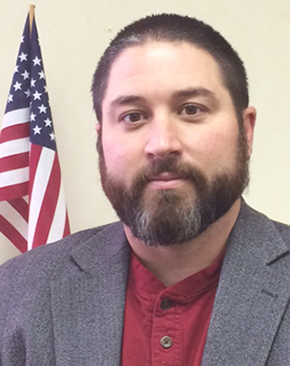
 The West Virginia AFL-CIO, with whom we are affiliated with, represents over 575 affiliated unions who fight for all West Virginia workers, whether they are union or not. Unions set the bar for wages, benefits, and working conditions for all workers. UWUA Local 304 would like to wish departing longtime President Kenny Purdue a happy retirement and welcome his replacement, Josh Sword, to the top job at the helm of West Virginia’s labor movement.
Josh Sword Kenneth Purdue
(CLICK ON THE LINKS HIGHLIGHTED IN THE ARTICLE FOR MORE INFORMATION)
Be Angry!
America’s electorate is as diverse and fragmented as almost any time in our nation’s history. There are groups divided by race, ethnicity, sexual preference, culture, education, differences in views on abortion, gun rights and responsibilities, and many other issues. Divide and conquer is nothing new, but never has it been so writ large across our country’s landscape.
Fueling these divisions is an underlying, yet powerful, amount of anger and frustration. This manifests itself in ugly feelings of intolerance, bigotry, class rivalry, and racism on display across our country. There are even those begrudging their fellow citizens of their constitutionally protected First Amendment Right to free speech with counter-protests and violence.
America’s institutions are under attack like never before, as the social safety net gets thinner and weaker all the time. We’ve been told we can’t trust the Federal Bureau of Investigation, we’ve seen local law enforcement constantly being ridiculed and scrutinized in nationally publicized tragedies that get little right except the victims names and age. The housing crisis told us we can’t trust banks, and the most recent recession proved that Wall Street isn’t trustworthy either. Our teachers have quietly weathered the erosion and dismantlement of the public school system without pay raises and even cuts in their pension and retirement as the same spiraling healthcare costs eats away at the little job security they once enjoyed.
The American Dream of getting rich quick was replaced by an economic model of suffering thirty to forty years of penal servitude, under incompetent managers and petty bosses who are too stupid to realize that they too are caught in the same trap as yourself. All of this was worth it because the light at the end of the tunnel was a pension and retirement.
Here we are, almost thirty years later, and we still have the same incompetent bosses and petty game playing managers but what’s gone is the sense of security and that brass ring of retiring comfortably and with dignity.
Those American households that are lucky enough to have both a father and mother still have both parents working while teachers raise their kids, with no authority or mandate, and TV and video games fill up the time at home.
Unions are especially sensitive to these effects. While union workers are regularly stereotyped as lazy and ungrateful, the real truth is that union members are better informed and painfully aware of the precarious situation facing workers. Union members are usually more well versed on WHY and HOW unions came to be, and the REAL and often bloody sacrifices that workers paid to form them. They speak out because they can, confident in the union to protect their rights. They speak out for ALL workers. They set the bar.
There’s no doubt that this is why the labor movement is a prime target of those destroying the middle class .
The same ones pushing “Right To Work” and trying to cripple and dismantle the National Labor Relations Board and weaken, or even get rid of the National Labor Relations Act have weaponized the anxiety and fears of working people and are using it to further the agenda of making corporations stronger and governmental oversight and regulation weaker.
It’s an easy thing to churn out propaganda under covert 501(C) groups with secret donor lists, buy politicians, fund massive campaigns, and hire slick talking heads and time for them on the airwaves, and wrap themselves patriotically in the flag or hide behind the Holy Bible; whatever it takes to fan the flames of people’s prejudices,; whatever it takes to direct the anger of workers to each other instead of the architects of chaos.
The hard truth is that anybody who works for a living has more in common with each other than they do with pampered corrupt politicians, the very rich, or the lawyers and P.R. people they have working for them, yet many choose to forgo the power that unified action gives them by being distracted by those feeding and manipulating their fears for their own advantage.
Solidarity seems an archaic, even foreign, word. It should, since unions have a long history and are worldwide. There are some countries that being a union organizer is more dangerous than being a militant or a drug trafficker. Organizers and union officers are regularly harassed and even executed in many societies across the globe, just like they were in our country over 90 years ago.
It has taken that long for working people to forget or take for granted what organized labor is doing or has done for them. That opened the door for the unscrupulous profiteers to do some organizing, having learned the lessons of the battles between themselves and labor.
This isn’t a liberal versus conservative thing, or a Republicans against the Democrats contest; it’s not even an older generation versus generation “X” or “Y” conflict, or native born versus immigrant. This is an American thing!
So be angry, speak out, stand up, but most of all remember what it is that makes us Americans.

Invasive Technology Controlling Workers
You’ve been fired. According to your employer’s data, your facial expressions showed you were insubordinate and not trustworthy. You also move your hands at a rate that is considered substandard. Other companies you may want to work for could receive this data, making it difficult for you to find other work in this field.
That may sound like a scenario straight out of a George Orwell novel, but it’s the future many American workers could soon be facing.
In early February, media outlets reported that Amazon had received a patent for ultrasonic wristbands that could track the movement of warehouse workers’ hands during their shifts. If workers’ hands began moving in the wrong direction, the wristband would buzz, issuing an electronic corrective. If employed, this technology could easily be used to further surveil employees who already work under intense supervision.
Whole Foods, which is now owned by Amazon, recently instituted a complex and punitive inventory system where employees are graded based on everything from how quickly and effectively they stock shelves to how they report theft. The system is so harsh it reportedly causes employees enough stress to bring them to tears on a regular basis.
UPS drivers, who often operate individually on the road, are now becoming increasingly surveilled. Sensors in every UPS truck track when drivers’ seatbelts are put on, when doors open and close and when the engines start in order to monitor employee productivity at all times.
The technology company Steelcase has experimented with monitoring employees’ faces to judge their expressions. The company claims that this innovation, which monitors and analyzes workers’ facial movements throughout the work day, is being used for research and to inform best practices on the job. Other companies are also taking interest in this kind of mood-observing technology, from Bank of America to Cubist Pharmaceuticals Inc.
These developments are part of a larger trend of workers being watched and judged—often at jobs that offer low pay and demand long hours. Beyond simply tracking worker performance, it is becoming more common for companies to monitor the emails and phone calls their employees make, analyzing personal traits along with output.
Some companies are now using monitoring techniques—referred to as “people analytics”—to learn as much as they can about you, from your communication patterns to what types of websites you visit to how often you use the bathroom. This type of privacy invasion can cause employees immense stress, as they work with the constant knowledge that their boss is aware of their every behavior—and able to use that against them as they see fit.
Lewis Maltby, president of the National Workrights Institute at Cornell University, tells In These Times that the level of surveillance workers are facing is increasing exponentially.
“If you look at what some people call ‘people analytics,’ it’s positively frightening,” Maltby says. “People analytics devices get how often you talk, the tone of your voice, where you are every single second you’re at work, your body language, your facial expressions and something called ‘patterns of interaction.’” He explains that some of these devices even record what employees say at work.
According to some experts, this high level of employee surveillance may actually harm the companies that use these techniques.
“In general, people experience more stress when they feel that someone is looking over their shoulder, real or virtual,” Michael Childers, director at the School for Workers, tells In These Times. “There is a large body of research documenting that stressful workplaces can potentially lead to many problems that reduce company profits, including increased turnover, more sick days used, higher workplace compensation costs, and ironically, even lower productivity.”
Richard Wolff, a professor of economics emeritus at the University of Massachusetts, tells In These Times that this type of surveillance “deepens the antagonism, mutual suspicion, and hostility of employer relative to employee. It degrades worker morale and will probably fail—leading employers to conclude not that such surveillance is a bad idea, but rather than they need to automate to get rid of workers altogether.”
While this level of worker surveillance may be alarming, it has so far gone largely unchecked. Congress has never passed a law to regulate employee surveillance, Maltby says, and he doesn’t think it will any time soon. However, he says that either Congress or the Supreme Court could finally decide that employers have gone too far when they start tracking employee movement during a worker’s time off.
“The fight we’re gearing up for is [tracking] behavior off duty,” Maltby says. “Every cell phone in America has GPS capabilities baked into it,” along with cameras and microphones. Maltby worries that employers could soon begin using this technology to track the behavior of their employees outside of work. If this were to happen, Maltby believes U.S. lawmakers could be compelled to step in.
One the of the fears that labor and privacy advocates hold is that, over time, workers could get used to these types of invasions, and begin accepting them as a normal part of the job.
“The first time people hear about the newest privacy invasion, they get extremely angry, but eventually they just get used to it,” Maltby says. For example, at many jobs drug tests are now seen as standard, despite the fact that they invade employees’ private lives by monitoring their behaviors outside of work.
At a time of soaring inequality, low-wage workers are bearing the brunt of efforts to increase productivity and profits. The rise of these new tracking techniques show that companies are moving toward increasing their control over the lives of their employees.
While workers at the bottom of the wage scale may be the first to face such dystopian working conditions, other industries could soon embrace them. If we don’t want to live and work under the constant supervision of a far-away boss, now is the time to speak up and push back.
by Thor Benson/Working In These Times
Reprinted with permission from In These Times. All rights reserved. Portside is proud to feature content from In These Times, a publication dedicated to covering progressive politics, labor and activism. To get more news and provocative analysis from In These Times, sign up for a free weekly e-newsletter or subscribe to the magazine at a special low rate.
Never has independent journalism mattered more. Help hold power to account: Subscribe to In These Times magazine, or make a tax-deductible donation to fund this reporting.

We Love Our Teachers!
” We are living history,” was the sentiment of Greg Phillips, Harrison County Education Association Vice-President at our last union meeting. He’s certainly qualified to male that call, being a history teacher at Robert C. Byrd High School, as well as holding a Masters Degree.
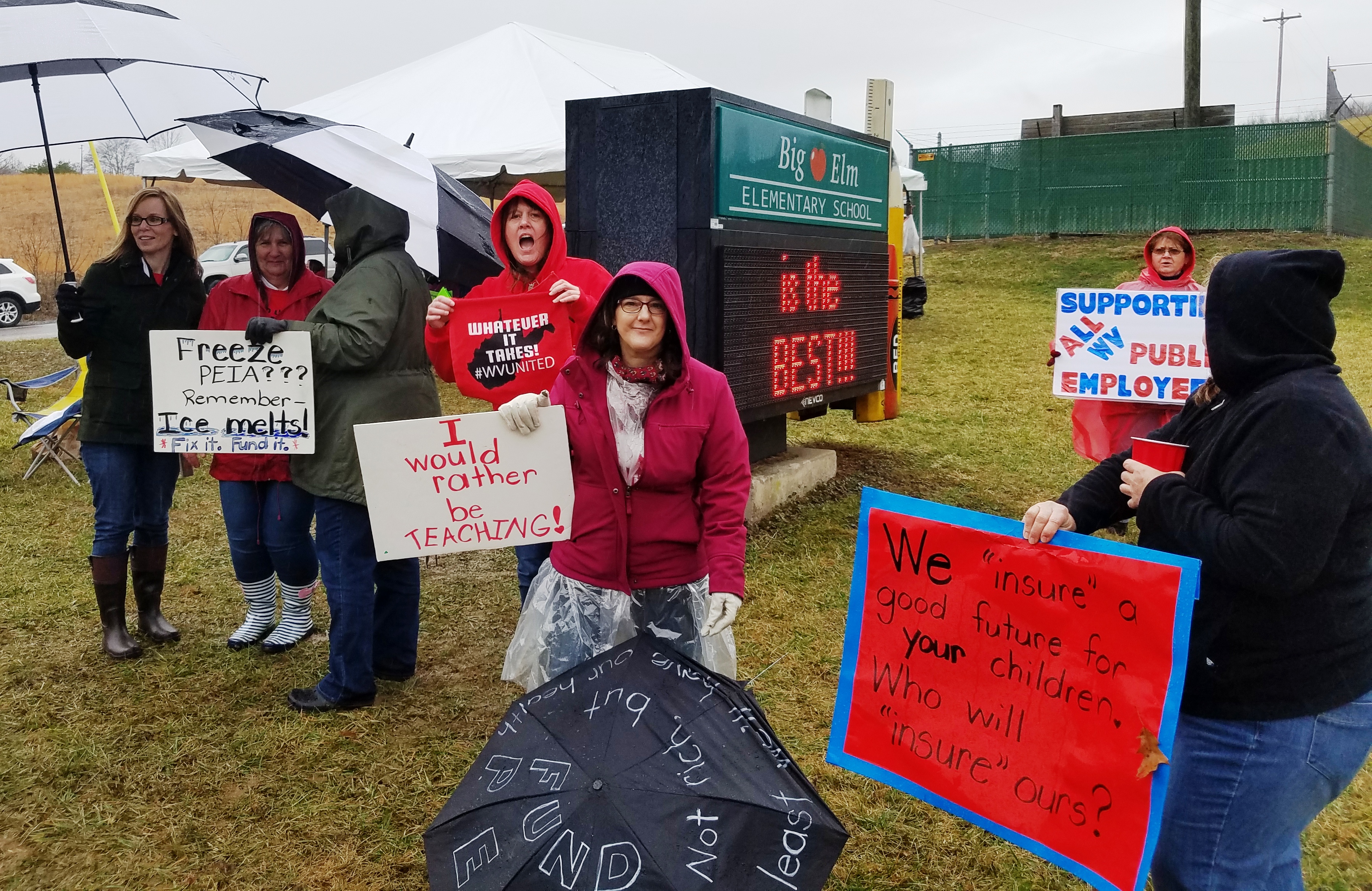
Greg came to our meeting to lay out the facts that have West Virginia Public State Workers up in arms. Lack of meaningful raises, loss of seniority protections, and changes to PEIA that will send health insurance premiums into the stratosphere, and possibly out of reach for many teachers. He lamented the fact that while West Virginia teachers are unionized, many other of our Public Employees aren’t. Without a union in place, all employers are “employees at will”, meaning they can be fired without cause and very little legal protection. Like all union members, it’s up to them to stand and fight for those who don’t dare stand or fight for themselves. They include the State Police, Department of Highways, Corrections Officers, Department of Health and Human Resources, Child Protective Services, as well as many other public employees.
How bad is the teacher situation in our state?
Teacher pay in West Virginia ranks 48th in comparison to other states (inversely, our PART TIME State Legislature’s pay ranks 5th in the nation compared to other states).
There are over 700 open teaching positions in West Virginia Public Schools.
Last year, WVU and Marshall graduated over 1500 teachers, and only about 400 stayed in this state. Others went to neighboring states where they can earn 20K-30K more for doing the same job.
80% of all West Virginians live within 2 hours of a state border (Maryland, Virginia, Kentucky, Ohio, and Pennsylvania).
The National Education Association and American Federation of Teachers have, for the FIRST TIME, united under one banner in this fight!
One big difference in the job of teaching as compared to other professions, the people who elect to become teachers feel a calling to that work. It’s common to hear such things like that when it comes to the clergy or medical professions, but often overlooked when it comes to teaching. The people who teach don’t do it for the money. Offsetting the mediocre pay was the fact that teachers have enjoyed good health insurance and a collegial working environment.
PEIA introduced something called “Go 365”. It’s a wellness program component added to PEIA, much like our own Health and Wellness program. Unlike our program, which is incentive based, PEIA’s is a penalizing program. What this means is that if you do not participate, you will be penalized with higher health insurance premiums. As an example of how intrusive and unreasonable this is, Go 356 requires teachers to sign up at a gym or fitness center, BUT, it must be an “approved” site. One teacher learned that his closest eligible fitness center was over three hours away!
Teachers are so important to our society. Just last week, three teachers gave their lives in the Florida school shooting protecting students. Other teachers do less heralded, but equally heroic things to protect children. Teachers are another major part of our nation’s social safety net. They do so much more than just teach. They monitor, counsel, and even worry about their students, much like surrogate parents. In some cases, teachers may be one of the few positive examples of adult authority figures in some kids lives. There are personal costs, even after the financial ones teachers encounter when they spend their own money for classroom supplies. There are horror stories that teachers carry with them long after the student moves on, worthy of any battlefield action that causes PTSD in many of our country’s vets. These are offset by other stories of a child who succeeds against all the odds stacked against them to become a very wonderful and special person.
Unions too often are equated with politics. This is especially true for public sector unions when a political majority takes control that has an anti-worker philosophy. In this, it’s public sector unions who are usually the first to sound the alarm when they start seeing union-busting and worker punishing legislation being offered in statehouses all over the country. It’s no wonder that unions find themselves in the crosshairs of those who use their elected positions to benefit themselves and their cronies.
Teachers fall into that unique category of public sector jobs that are being demonized by some lawmakers and their stealth PACS ( along with police, firefighters, postal employees, and many other groups). These folks would have YOU to believe that public schools are an antique anachronism left over by the previous century and teachers are in the business of indoctrinating your kids in all things evil in the world and brainwashing them into accepting that’s the way it should be. They want you to see teachers as an enemy, and the campaign against them has intensified by some claiming teachers don’t care about parents having to make sitting arrangements or children being without school provided meals. What’s NOT being talked about is the work teachers have done, working through churches and other civic organizations, to provide meals and childcare during the walkout.
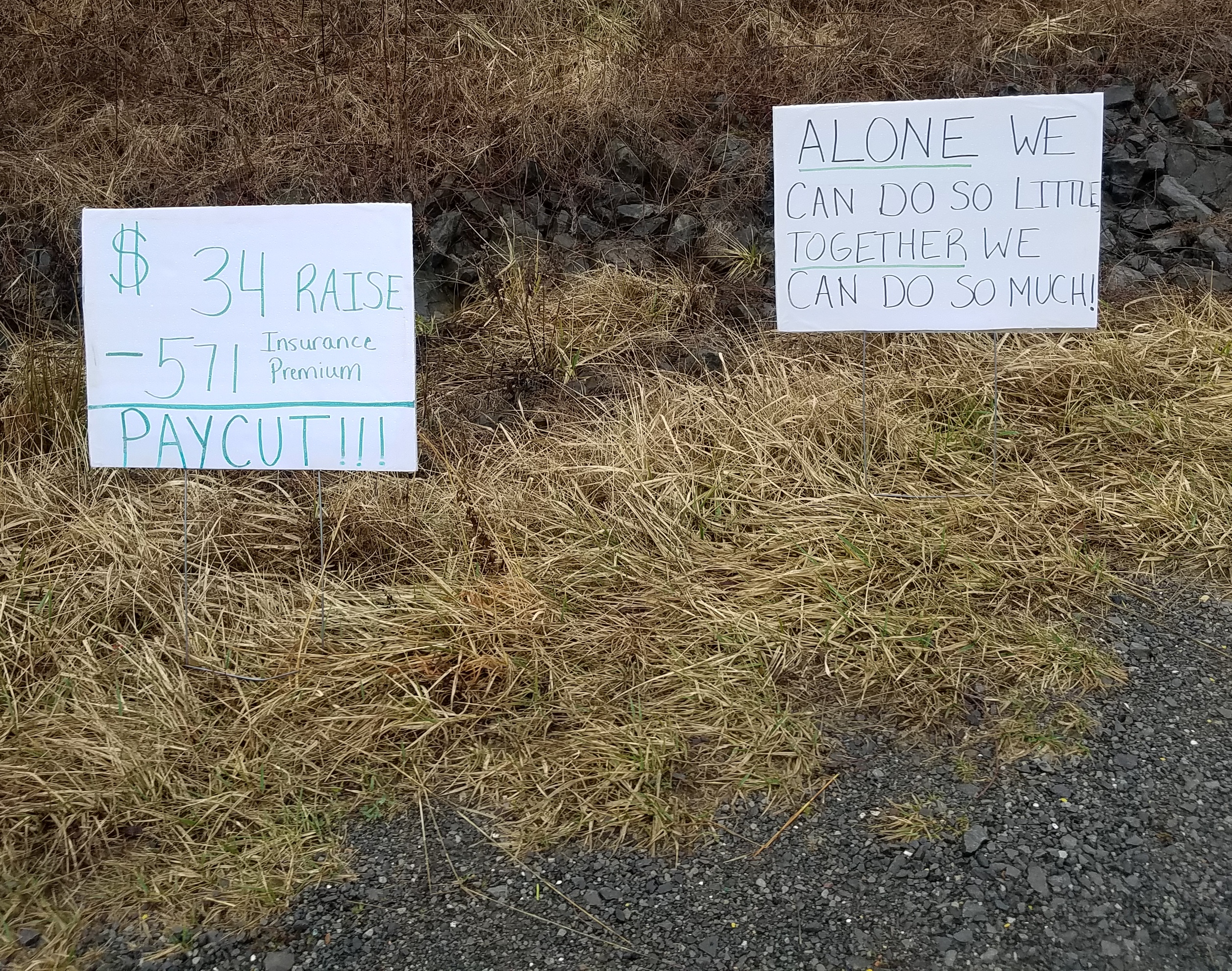
Of course, parents that are dedicated and engaged in their children’s education know better. To them, teachers are partners and assets in building their kids into well rounded adults. Teachers are also union members, and they would much rather be in the classroom than on the picket line!
There’s a reason why unions are called “locals”. That’s because the membership is made up of your friends, family, and neighbors. It takes a breakdown of community for these folks to quit talking to each other, opening the door for them to fall prey to the decisiveness of special interests propaganda designed to divide us in every possible way.
A good example is what recently happened to Oprah (yes, that Oprah) when her name was half-heartedly floated as a possible 2018 challenger of President Trump. Not very long afterward, you could see memes being floated attacking Oprah Winfrey on every conceivable level. Oprah has never acknowledged, much less announced that she has any interest in being the President of the United States.
Bottom line is that West Virginia’s entire future starts with our being able to attract and keep the best, brightest, and qualified teachers. To do this, teachers need a decent wage, good health insurance, and protections and respect for their seniority earned over years of educating students. The enemies of teachers are pushing for Charter schools, or a voucher program .This is the privatization of education into private, for profit, hands. This turns education into a pay to play scheme designed to funnel tax money out of public schools and directly in the hands of privateers. The winners are the Charter school owners and the rich kids who can afford the tuition. The losers are the teachers, the poor kids, the special needs kids, and disabled kids, whom the charter schools do not have to accept.
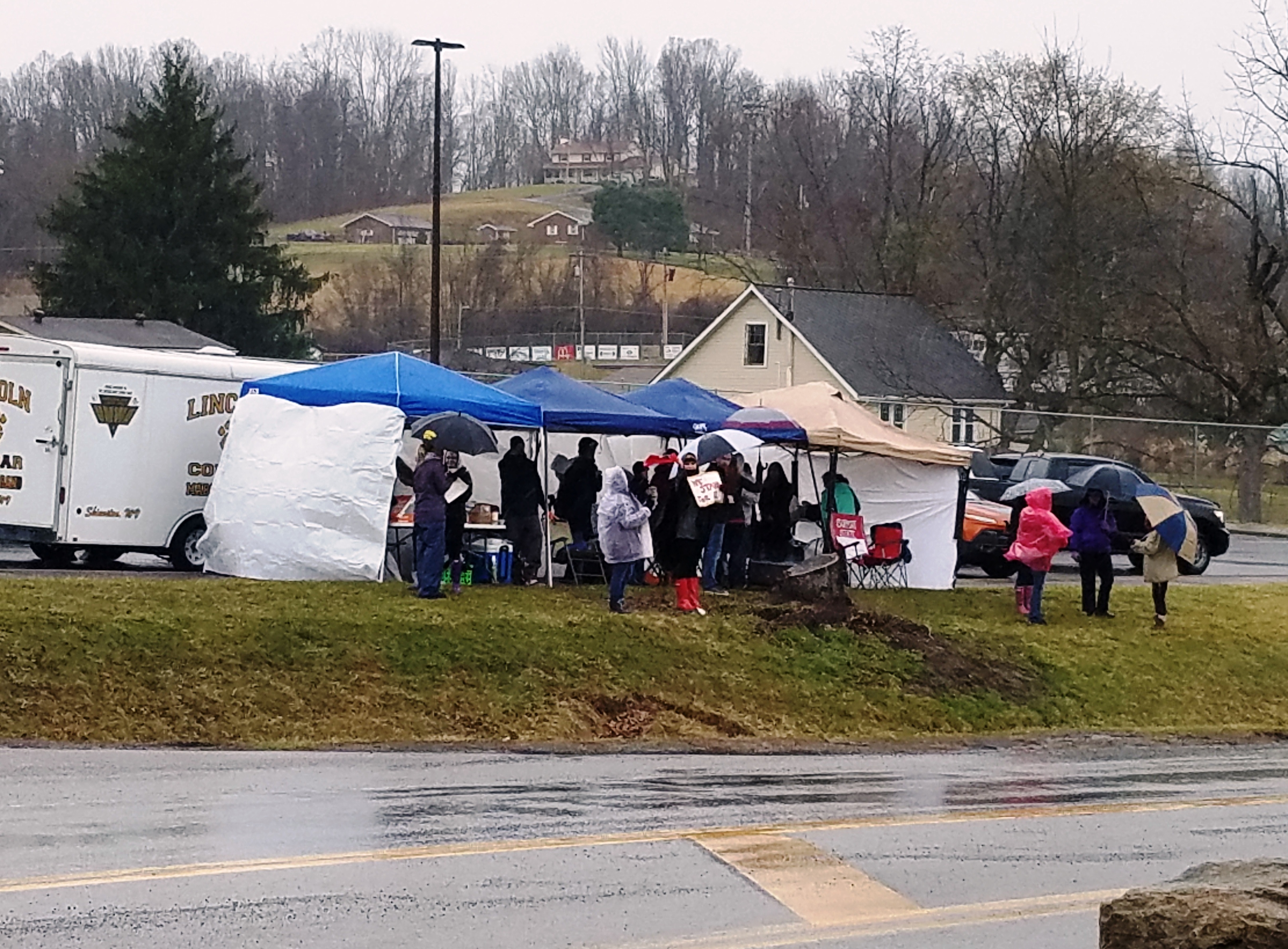
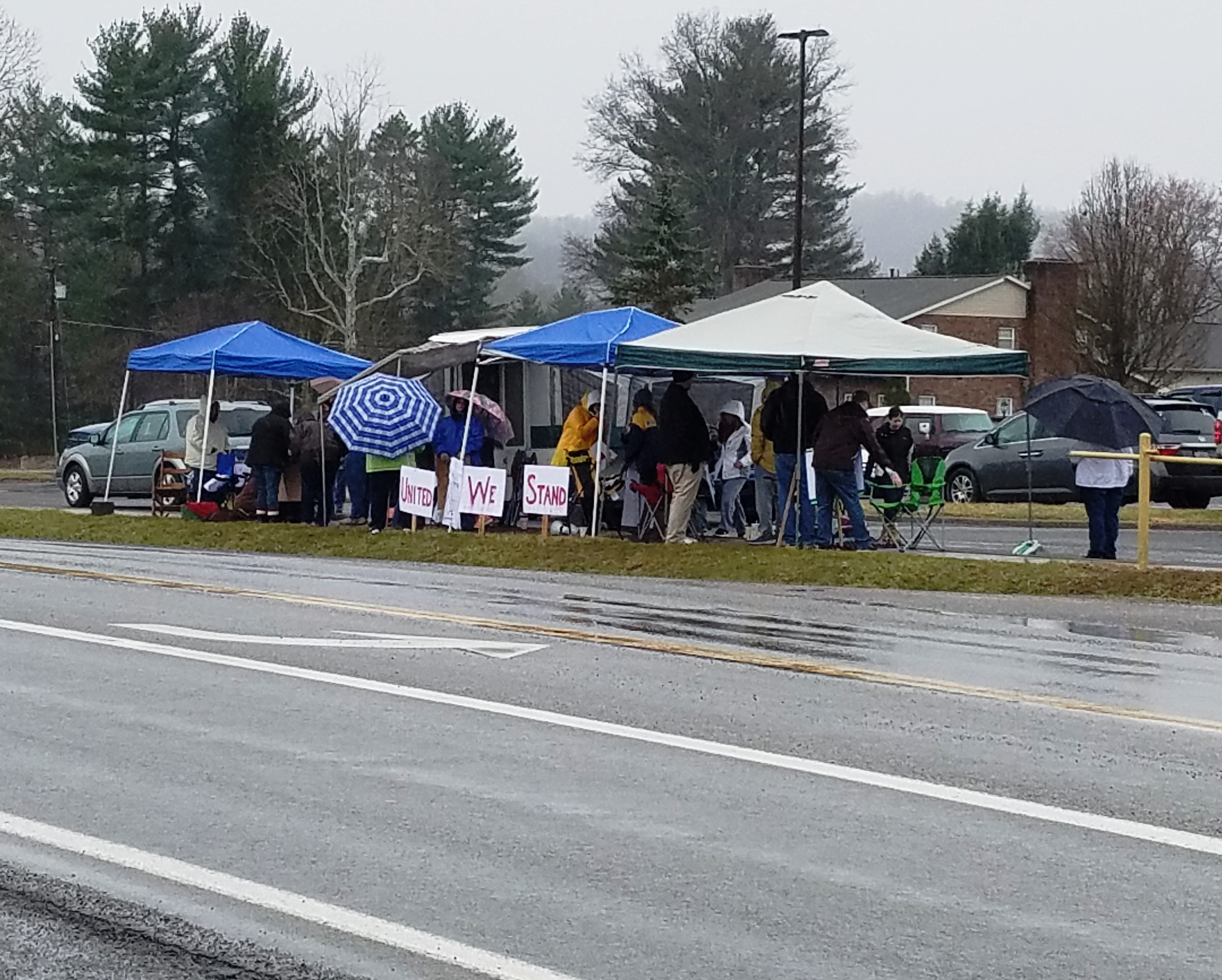
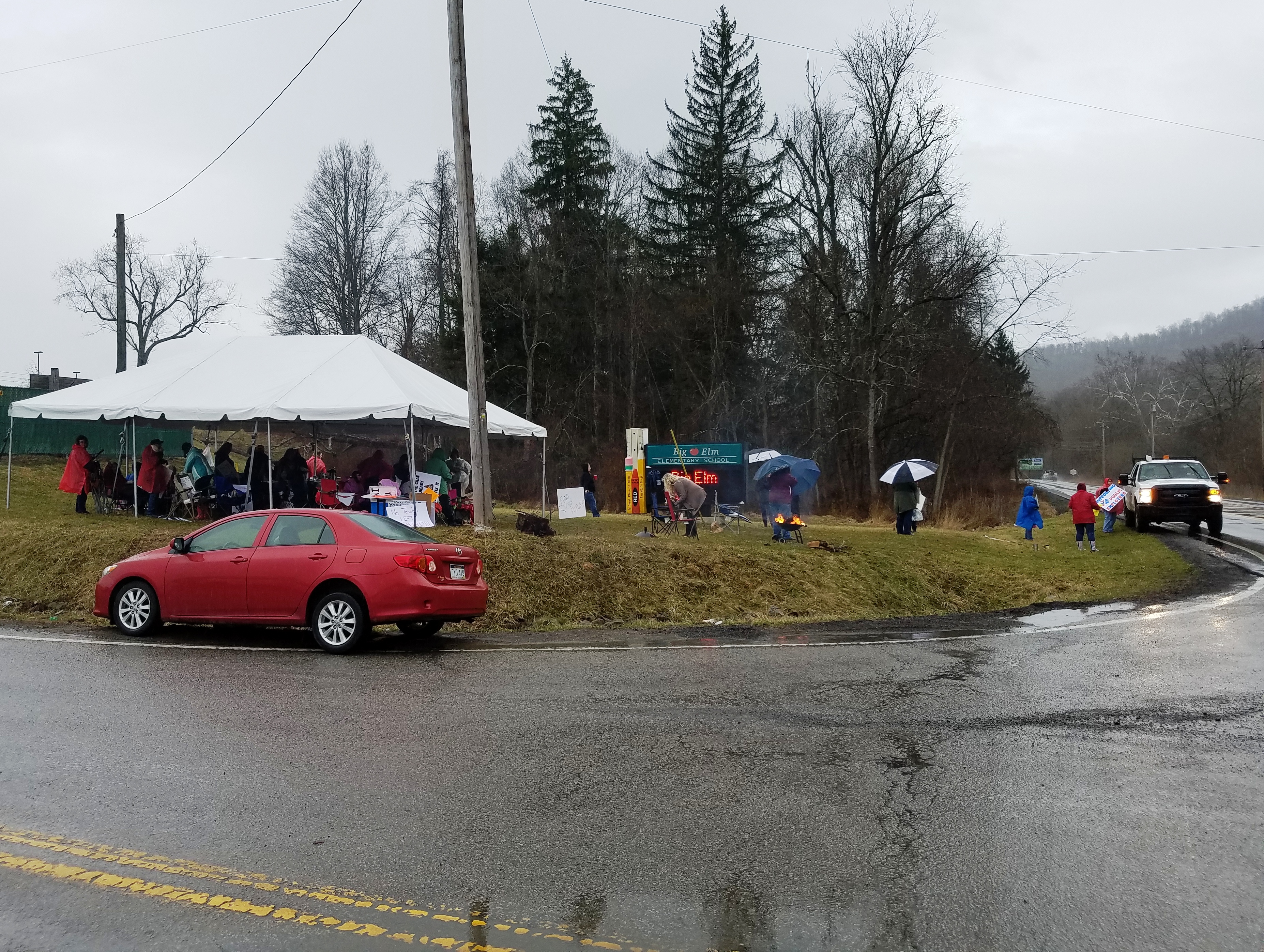
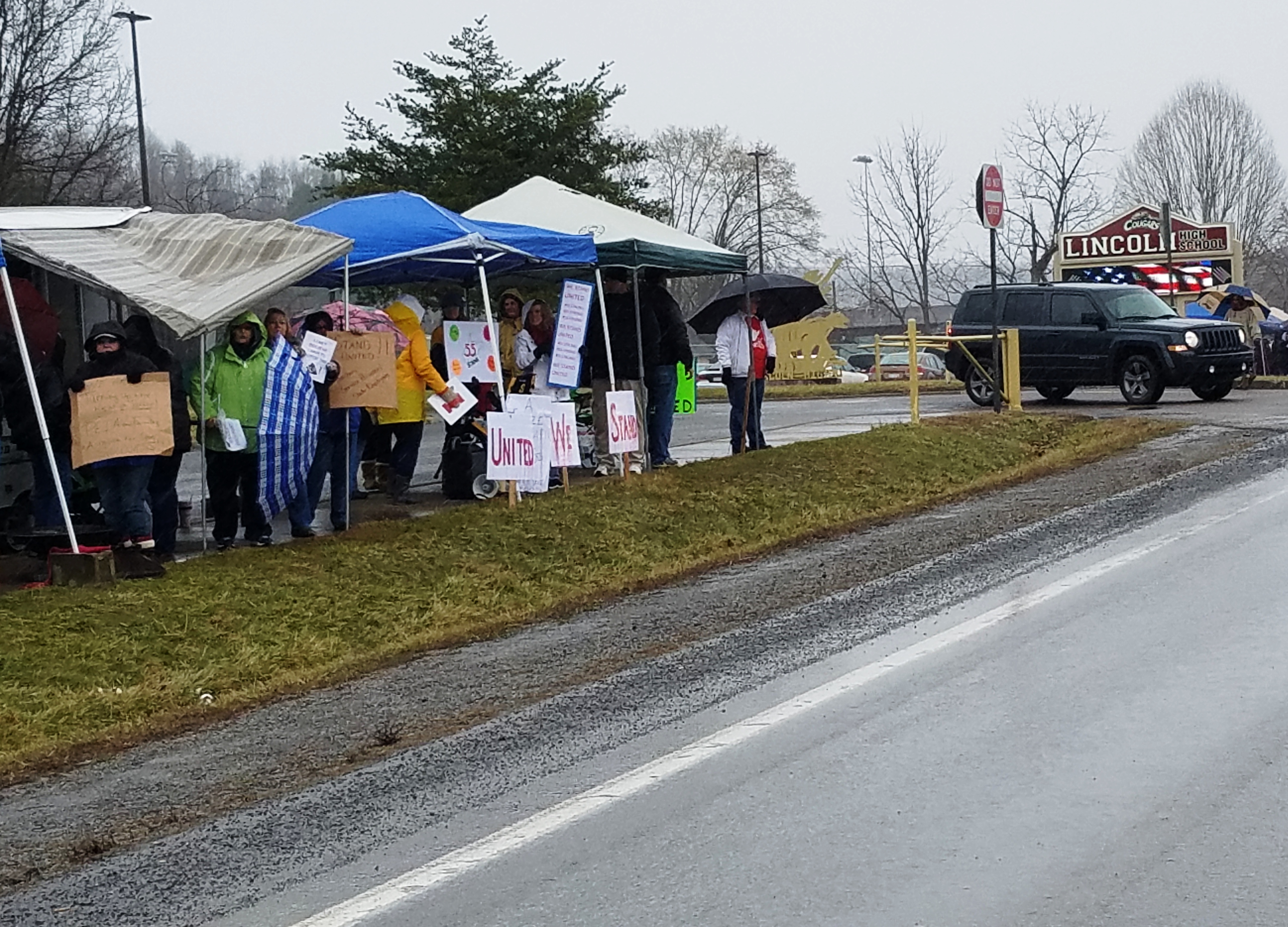
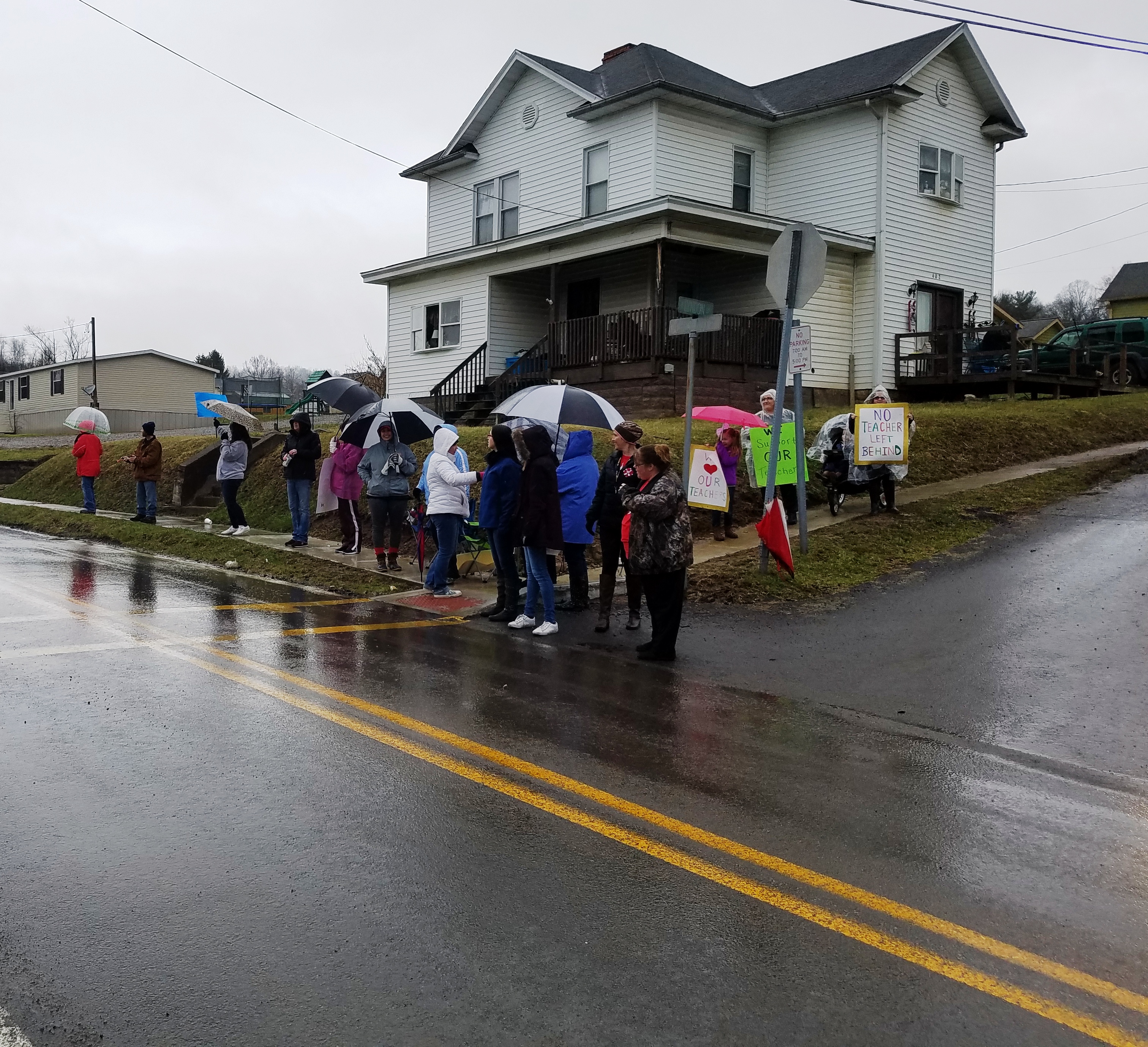
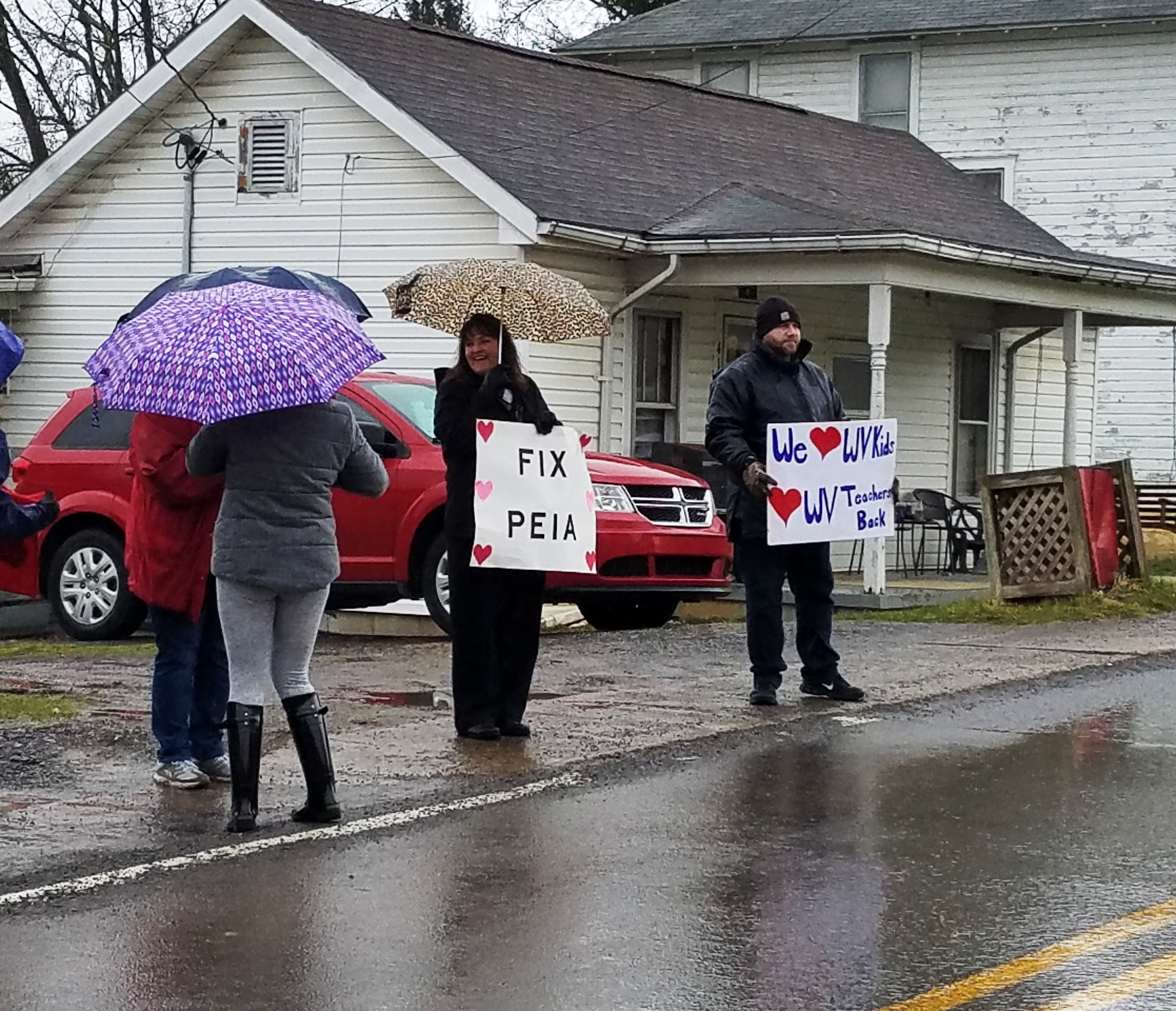
This is why we MUST support our teachers in this epic struggle.Even the cold wet weather could dampen the fire of our local teachers. There were horn blasts, shouts of encouragement, and a general outpouring of support as they waved signs and cheered in the rain. The struggle they are in is for the benefit of all West Virginians, and as for those who work against West Virginia’s workers; WE WILL REMEMBER IN NOVEMBER!